


If your tripped switchboard won't reset, unplug appliances on the affected circuit, check for overloaded powerboards, look for moisture, then try one reset only. If it trips again, smells burnt, buzzes, feels hot, or shows scorch marks, stop immediately and call a licensed Melbourne electrician.
The short version
- Work out what tripped: a circuit breaker, an RCD safety switch, or the main switch.
- Unplug anything that was switched on just before the trip.
- Remove overloaded powerboards, double adaptors and high-draw appliances from the circuit.
- Check whether rain, water, outdoor power points or wet-area appliances may be involved.
- Reset once only. If it trips again, stop and call an electrician.
A switchboard trip is not a nuisance message from the house. It is a protection device cutting power because something does not look right. Sometimes the cause is harmless, like a kettle and microwave sharing the same overloaded circuit. Sometimes it is more serious, like damaged wiring, water in an outdoor fitting, a failing breaker, or heat building at the board.
Why a switchboard trips in the first place
Your switchboard is designed to divide power into circuits and shut those circuits down when current, leakage or heat risk moves outside a safe range. In Melbourne homes we usually see switchboards trip for one of six reasons: too many appliances running together, one faulty appliance, moisture, damaged wiring, an old switchboard component, or a genuine short circuit.
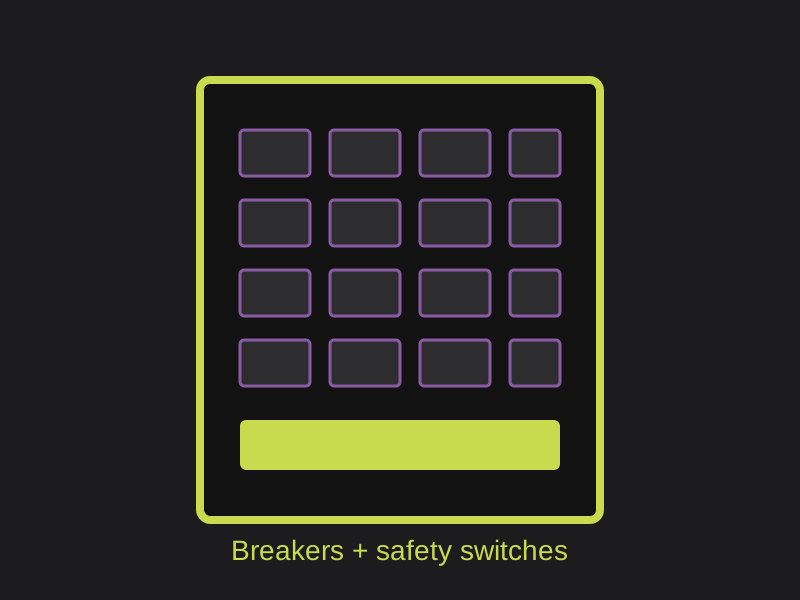
A circuit breaker usually responds to overload or short-circuit conditions. A safety switch, also called an RCD, responds when current leaks to earth. That leakage might be caused by a damaged appliance, water inside a fitting, or insulation breakdown. The main switch turning off can point to a wider problem and should be treated more carefully.
If you are unsure what type of switch has moved, take a photo from a safe distance and tell the electrician what you can see. Do not remove covers, touch exposed wiring, or keep forcing a switch back on.
The 7 safe things to check
1. Check which switch has actually tripped
Open the switchboard door and look at the switch positions. Do not remove any covers. Try to identify whether one circuit breaker has dropped, a safety switch with a test button has tripped, or the main switch has moved.
One circuit tripping often points to a room, appliance group or local fault. A safety switch tripping can point to leakage, moisture or an appliance fault. The main switch tripping is a stronger warning sign, especially if it will not reset or the whole home has lost power.
2. Unplug anything that was just turned on
Think about the exact moment the power went out. Did someone turn on a kettle, toaster, microwave, heater, portable air conditioner, washing machine, dryer, air fryer or power tool? High-draw appliances are common triggers when a circuit is already close to its limit.
Unplug the likely appliance completely. If several appliances were running on the same circuit, unplug them all before trying one reset. If the switch holds, plug appliances back in one at a time and stop when the problem returns.
3. Check overloaded powerboards and double adaptors
Powerboards are useful for low-load devices, but they are not a fix for a room that does not have enough outlets. Look for chained powerboards, double adaptors, heaters plugged into powerboards, or warm plastic around plugs.
If you regularly rely on stacked adaptors to run normal household loads, the tripping may be telling you the home needs more outlets or a better circuit layout. That is especially common in older terraces, apartments and renovated homes around inner Melbourne.
4. Look for moisture around outdoor or wet-area circuits
Rain is one of the most common clues. If the trip happened after a storm, after hosing a courtyard, or while using outdoor lights or power points, moisture may be involved. Bathrooms, laundries and kitchens can create the same issue when water reaches appliances, cords or fittings.
Do not keep resetting a switch that trips after rain. Leave the affected item unplugged if you can do that safely, keep people away from wet electrical equipment, and arrange a proper inspection.
5. Reset the breaker once, not ten times
One reset attempt after unplugging likely appliances is reasonable. Repeated resets are not. If the switch trips again, the protection is doing its job. Forcing it over and over can increase heat, damage components and make fault-finding harder.
The rule is simple: unplug, reset once, observe. If it trips again, stop. If it resets but trips later under the same conditions, record the pattern and call a licensed electrician.
6. Check for burning smells, buzzing, heat or scorch marks
This is the hard stop. If you smell burning, hear buzzing or crackling, see melted plastic, notice scorch marks, or feel heat from the switchboard cover, do not continue troubleshooting. Call an electrician urgently. If there is smoke or fire, call 000.
These signs can point to loose connections, arcing, overloaded circuits, damaged breakers or switchboard parts that have already overheated. They are not wait-and-see symptoms.
7. Notice the pattern
Good notes can save time on site. Write down what was running, which rooms lost power, whether it happened during rain, and whether the same appliance or time of day is involved. If you can safely take a photo of the switchboard before and after the trip, that can also help.
Patterns matter. A trip when the heater starts may point to load or appliance failure. A trip during rain may point to outdoor moisture. A trip in one room only may point to a circuit fault. A trip with no load can point to wiring or board issues.
When to call a licensed electrician immediately
Skip the checks and call straight away if the main switch trips, the switchboard will not reset after one safe attempt, the same circuit trips repeatedly, the board feels hot, you smell burning, you hear buzzing, you see scorch marks, or the trip followed sparks, smoke or water exposure.
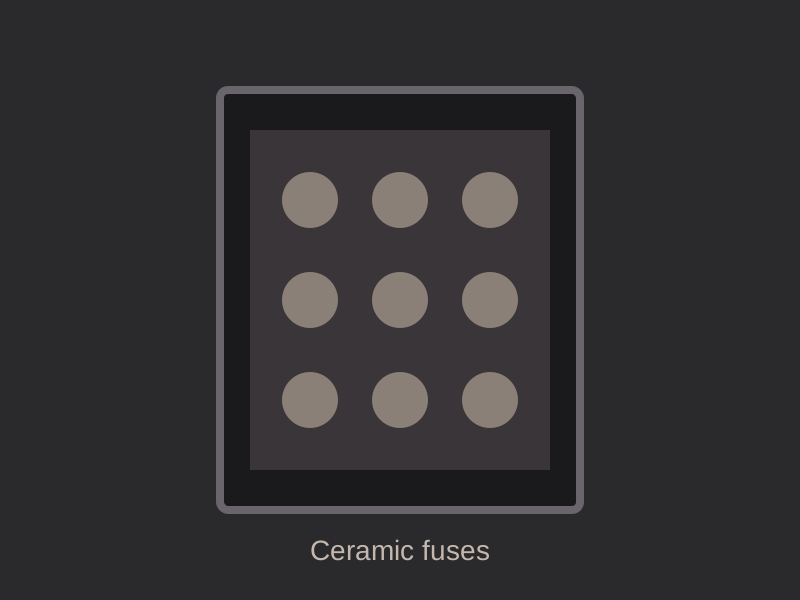
You should also call if power is out to critical equipment, the trip has affected only part of the home in a strange way, or the board is old and still uses ceramic fuses. A licensed electrician can test the circuit, isolate the fault, make the home safe and explain whether the fix is a repair, appliance issue or switchboard and safety switch upgrade.
What it may cost in Melbourne
The cost depends on what the electrician finds. A simple appliance-related trip may only need fault finding and advice. A failed breaker, damaged outlet, water-affected fitting or switchboard issue may need parts and testing. After-hours attendance, access, circuit complexity and compliance requirements can also change the final price.
The important thing is not to approve vague work. Ask for the cause, the recommended fix, what is included, and whether a certificate or formal test result is required. At 24/7 Service Mate, the aim is to make the property safe first, then explain the practical repair path before work proceeds.
How 24/7 Service Mate handles switchboard faults
When you call, we ask what has tripped, whether there are warning signs like burning or buzzing, which suburb you are in, and whether anyone is at immediate risk. That triage helps decide whether you need urgent make-safe support or a normal fault-finding booking.
On site, the electrician isolates the affected circuit, tests safely, checks likely appliances and fittings, and works back to the board if the fault is not obvious. The goal is not just to get the switch back on. The goal is to find why it tripped, reduce the chance of repeat faults, and recommend upgrades only when the existing setup is unsafe or no longer fit for the home's load.
FAQ
- Can I keep resetting a safety switch?
- No. Reset once after unplugging likely appliances. If it trips again, stop. Repeated resets can hide a serious fault and increase risk.
- Is a tripping switchboard dangerous?
- It can be. A trip means the protection device saw a problem. The danger level depends on the cause, especially if there is heat, burning, buzzing, moisture or repeated tripping.
- Why does it trip when it rains?
- Rain-related trips often point to moisture in outdoor outlets, lights, extension leads or connected equipment. Leave affected items alone and get them inspected.
- Can one appliance trip the whole house?
- Yes. A faulty appliance can trip a safety switch that protects multiple circuits, which may make it feel like the whole home has lost power.
- Do I need a switchboard upgrade?
- You may need an upgrade if the board has ceramic fuses, lacks safety switches, overheats, trips frequently, or cannot safely handle your current appliances.
Related reading
For local electrical help, start with our Melbourne electrical services, electrical services in Richmond and electrical services in Melbourne CBD. If your board is older or overloaded, read the guide to signs your switchboard needs upgrading, plus our diagnostics for a circuit breaker that keeps tripping, what to do if a breaker trips twice, and faulty circuit breaker fire risk.
Need it fixed now?
Call 1300 24 11 47 and tell us what has tripped, what was running, and whether you can smell burning or hear buzzing. We will help you decide the safest next step.
